Context
Traditional B2B exhibitions primarily monetize through booth sales and sponsorship packages. However, this model is not always effective for service-based companies, as they lack physical products to showcase. Unlike manufacturers, service companies sell expertise and solutions, which require meaningful dialogue and consultation with potential clients. Existing networking formats at exhibitions are often poorly managed, with exhibitors complaining about low-quality traffic, excessive non-target visitors, and a lack of qualified leads.
This report explores alternative business models and lead generation strategies that enhance the predictability, profitability, and quality of participation for service-based B2B exhibitors.
1Alternative Business Models for B2B Exhibitions
Beyond Booth Sales and Sponsorships
Leading B2B exhibitions are adopting new revenue streams beyond traditional booth rental and sponsorship packages. These include:
1Hosted Buyer Programs – A matchmaking format where pre-qualified buyers are invited, and exhibitors pay for guaranteed meetings.
2Pay-Per-Lead Models – Exhibitors only pay for qualified leads rather than booth space.
3Subscription-Based Networking – Year-round membership fees for access to a community of potential clients.
4AI-Powered Matchmaking Fees – Charging exhibitors for premium AI-driven lead recommendations.
5Retargeting & Data Monetization – Organizers sell audience data or provide targeted advertising opportunities after the event.
6Hybrid Digital & In-Person Experiences – Combining in-person exhibitions with digital lead follow-ups, keeping engagement active beyond the event.
Case Example:
The IBTM World Hosted Buyer Program guarantees pre-scheduled meetings with relevant buyers. Exhibitors invest in meeting slots rather than relying on unpredictable booth traffic.
Monetization of Meetings and Lead Generation
1Pay-Per-Meeting – Exhibitors pay a premium for scheduled meetings with vetted decision-makers.
2Premium Matchmaking – AI-powered matchmaking services with tiered pricing based on the quality and quantity of leads.
3Exclusive Networking Lounges – Access to VIP networking areas sold as a premium service.
4Lead Database Access – Post-event access to a categorized list of attendees who showed interest in specific topics or industries.
Case Example:
The Co-Brands B2B Expo (Germany) eliminated traditional booths, focusing entirely on structured networking with AI-driven matchmaking.
2Lead Generation & Meeting Scheduling Mechanisms
Pre-Event & On-Site Matchmaking Tools
1AI-Based Lead Matching – Algorithms pair exhibitors with relevant visitors before the event.
2Pre-Scheduled Appointments – Buyers and exhibitors set up meetings via an official event app.
3Automated Ice-Breakers – AI generates conversation starters based on mutual interests.
4Live Lead Qualification – Real-time scoring of visitor interactions to prioritize follow-ups.
Case Example:
At CIIE Shanghai, an AI-powered precision matchmaking system pre-scheduled thousands of high-value meetings, ensuring exhibitors met with relevant buyers.
Visitor Filtering & Lead Quality Control
1Mandatory Pre-Registration & Qualification – Filtering non-relevant visitors.
2Priority Access for Decision-Makers – VIP fast-track entry for C-level attendees.
3On-Site Smart Badges & QR Scanning – Exhibitors instantly qualify visitors using AI-powered scanning.
Case Example:
The IBTM matchmaking system helped exhibitors fill their schedules in advance, ensuring high-value interactions.
3Digital Technologies in Offline Exhibitions
Data-Driven Networking & Engagement
1Big Data for Personalized Recommendations – AI suggests relevant exhibitors and sessions to attendees.
2Behavior Tracking & Heatmaps – Identifying visitor movement patterns to optimize exhibitor placement.
3Event Apps with Personalized Itineraries – Visitors receive AI-generated schedules based on their interests.
Case Example:
The ExpoPlatform system integrates AI, CRM, and behavioral data to optimize networking opportunities.
Lead Capture & CRM Integration
1QR & NFC Badge Scanning – Instant contact capture and categorization.
2Real-Time Follow-Up Automation – CRM systems automatically send thank-you emails and next steps.
3Smart Retargeting – Post-event email & ad campaigns based on visitor interactions.
Case Example:
WeChat's Mini-Programs in China allow visitors to scan QR codes at booths, instantly receiving exhibitor updates and integrating contacts into a digital business card system.
4Measuring Effectiveness & Increasing Lead Conversion
Key Metrics for ROI Measurement
1Total Leads Collected – Number of contacts obtained and categorized.
2Marketing-Qualified Leads (MQL) & Sales-Qualified Leads (SQL) – Quality assessment of contacts.
3Lead Conversion Rate – Percentage of exhibition-generated leads that become paying clients.
4Cost Per Lead (CPL) – Average exhibitor cost to acquire a lead.
Industry Benchmark:
Studies show that 5–10% of exhibition leads convert into sales, with cost per lead ranging from $112 to $811, depending on the industry.
Best Practices for Maximizing ROI
1Follow-Up Within 24 Hours – Faster response time increases conversion.
2AI-Driven Prioritization – Focus on leads most likely to convert.
3Gamification & Interactive Booths – Engaging visitors increases dwell time and lead capture.
4In-Booth Digital Sales Process – Allow instant online transactions or contract signing.
Case Example:
At IBTM World 2022, structured matchmaking led to over 100,000 business meetings, with many exhibitors closing deals on-site.
Conclusion & Key Takeaways
1Traditional booth-based models are being replaced by matchmaking-driven revenue streams – pay-per-meeting, AI-driven lead generation, and hosted buyer programs.
2The future of service-based B2B exhibitions is hybrid – leveraging offline meetings combined with digital matchmaking and post-event lead nurturing.
3ROI measurement is increasingly data-driven – exhibitors and organizers are using Big Data, AI, and CRM automation to enhance lead quality.
4Event organizers must provide year-round engagement opportunities – building communities and monetizing audience attention beyond the event dates.
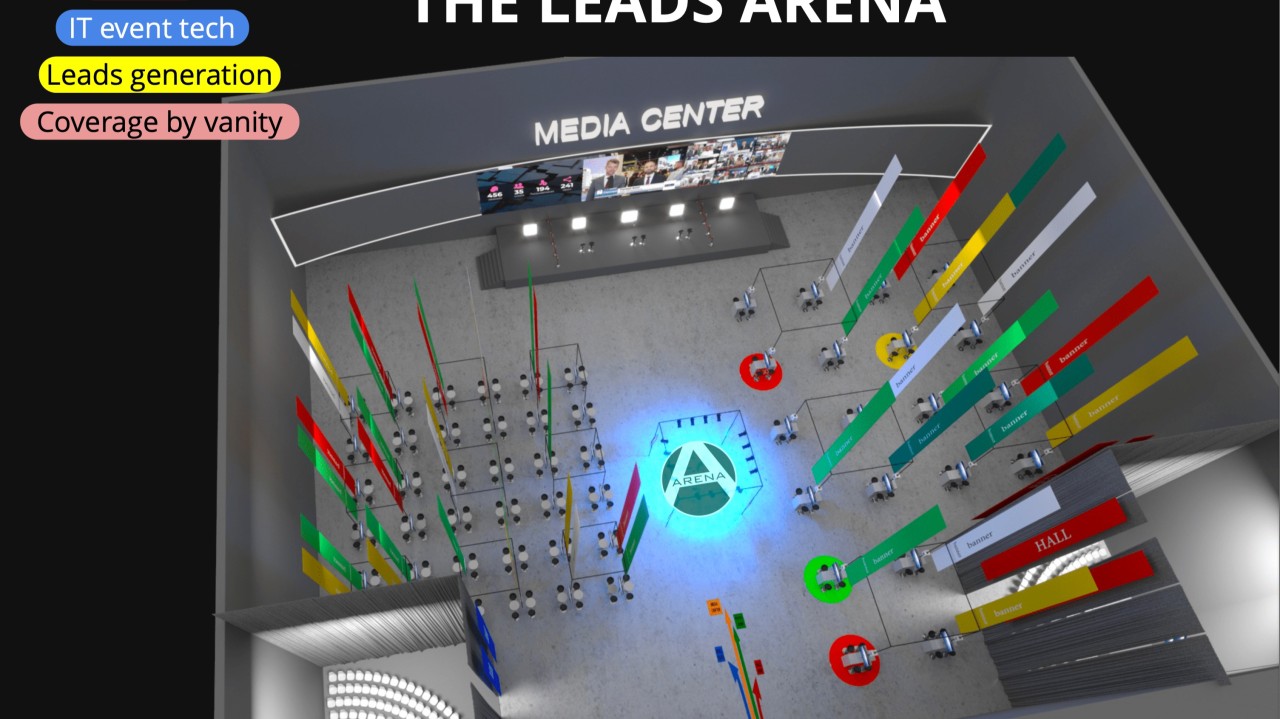
The shift from "renting floor space" to "selling qualified connections" is shaping the next generation of B2B service exhibitions, aligning with the The Leads Arena concept of high-quality, AI-driven lead generation.